

← ALL CASE STUDIES DESIGN FOR THE MODERNISATION OF
TEAM EXPERIENCE · ALTERNATIVE ENERGY
DESIGN FOR THE MODERNISATION OF
SOLAR POWER SYSTEMS
Detailed design for modernising autonomous power at distributed, unattended facilities along linear infrastructure.
CASE STATUS Team experience
This case reflects the personal practical experience of COVAX experts gained through previous projects. COVAX was not a direct contractor under the relevant contract. All information about the client and the project location is confidential.
01 / CHALLENGE
INCREASE POWER AUTONOMY FOR CRITICAL SYSTEMS AT REMOTE FACILITIES
The unattended sites supported telemetry, process communications, security systems, cathodic protection and other critical loads. During the period of minimum solar irradiation, the existing power configuration required modernisation.
The design challenge was to extend uninterrupted power availability by renewing the photovoltaic modules, batteries, charge controllers, cable lines and monitoring equipment.
facilities
types
structures
efficiency
02 / ARCHITECTURE
FROM SOLAR GENERATION TO DISPATCH MONITORING
01
Solar generation
High-efficiency 440 W modules, new galvanised support structures and repair of reinforced-concrete foundations.
02
Storage and control
Battery banks supply the equipment when solar generation is insufficient, while MPPT charge controllers manage charging.
03
Critical loads
Power supply for telemetry, process communications, security systems, cathodic protection and video surveillance.
04
Dispatch monitoring
Integration of controller parameters and protective-device signals into the existing SCADA environment.
03 / DESIGN OBJECTIVES
COMPREHENSIVE MODERNISATION WITHOUT RELOCATING THE EXISTING FACILITIES
- Increase power autonomy during periods of minimum solar irradiation
- Increase the installed capacity of the photovoltaic array without relocating the facilities
- Renew the battery banks, power cables and solar-generation monitoring devices
- Transmit diagnostic signals and protective-device status to the existing SCADA system
04 / TECHNICAL BASIS
EQUIPMENT AND INTERFACES INCLUDED IN THE DESIGN
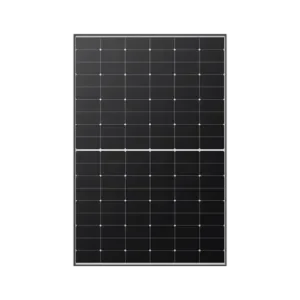
PHOTOVOLTAIC GENERATION
440 W solar modules
The design provides for replacing the existing panels with higher-output modules and a new connection arrangement for efficient MPPT operation.

CHARGE CONTROL
MPPT controllers
Controllers with peak efficiency of up to 97.5% manage the battery-bank charging process and support remote diagnostics.
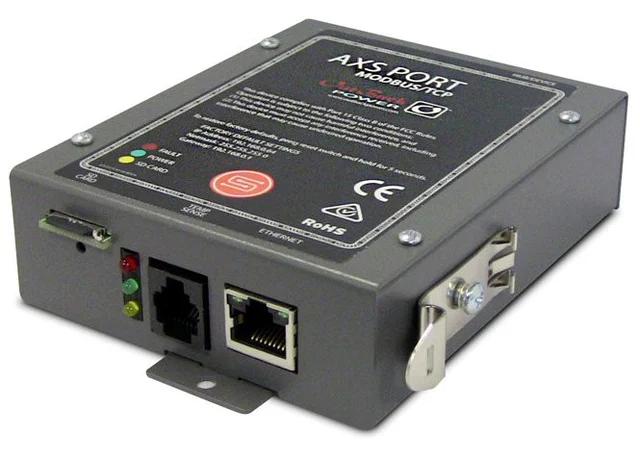
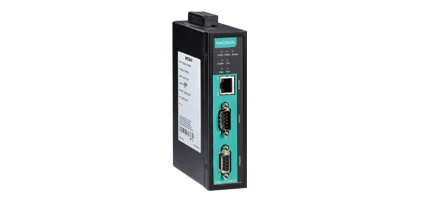
PROCESS CONTROL SYSTEM INTEGRATION
Industrial communication gateways
The design provides for data exchange with the existing system via Modbus TCP and PROFIBUS through interface and protocol gateways.
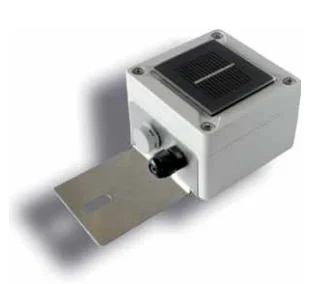
GENERATION MONITORING
Solar irradiance sensor
Real-time measurement of irradiance makes it possible to monitor the operating conditions of the photovoltaic array.
05 / DESIGN OUTCOME
A DESIGN BASIS FOR GREATER POWER-SUPPLY AUTONOMY
Technical solutions were developed for replacing the solar modules and battery banks, adding further controllers, renewing cables and sensors, and repairing reinforced-concrete structures.
The intended project outcome is more reliable power for critical loads during periods of low solar irradiation, together with centralised monitoring of the energy equipment. Expert support was provided during project implementation.
The experts’ practical contribution included preparation of the design and cost-estimate documentation and expert support during project implementation. The facility details have been anonymised.
DISCUSS A SIMILAR PROJECT →